FULL PRESCRIBING INFORMATION
WARNING: SUICIDAL THOUGHTS AND BEHAVIORS IN PEDIATRIC PATIENTS 6 YEARS OF AGE AND OLDER
All STRATTERA-treated pediatric patients 6 years of age or older should be monitored and observed closely for suicidal thoughts and behavior, clinical worsening, or unusual changes in behavior, especially during the initial months of therapy or at times of dosage changes. Families and caregivers should be advised of the need for close observation and communication with the health care provider. Consider stopping STRATTERA in patients who experience emergent suicidal thoughts and behavior [see Warnings and Precautions (5.1)].
STRATTERA increased the risk of suicidal ideation in pediatric patients aged 6 years of age and older with attention-deficit/hyperactivity disorder (ADHD) in short-term studies.
1 INDICATIONS AND USAGE
STRATTERA is indicated for the treatment of attention-deficit/hyperactivity disorder (ADHD) in adults and pediatric patients 6 years of age and older.
STRATTERA is indicated as an integral part of a total treatment program for ADHD that may include other measures (psychological, educational, social) for patients with ADHD.
2 DOSAGE AND ADMINISTRATION
2.1 Recommendations Prior to Initiating STRATTERA Treatment
Prior to initiating treatment with STRATTERA, screen patients for a personal or family history of bipolar disorder, mania, or hypomania [see Warnings and Precautions (5.6)].
2.2 Administration Instructions
STRATTERA may be taken with or without food. Take STRATTERA capsules whole; do not open the capsules.
2.3 Recommended Dosage
Table 1 includes the recommended STRATTERA dosage in adult patients and pediatric patients 6 years of age and older for acute treatment of ADHD.
|
a Administer either as once daily dosage in the morning or as evenly divided twice daily dosage in the morning and late afternoon/early evening. |
||||
|
b No additional benefit has been demonstrated with STRATTERA dosages higher than 1.2 mg/kg/day [see Clinical Studies (14)]. |
||||
|
c If a patient has not achieved an optimal response at 80 mg/day after 2 to 4 additional weeks, may increase the dosage to a maximum of 100 mg/day. There is no data that supports increased effectiveness at a dosage higher than 100 mg/day [see Clinical Studies (14)]. |
||||
| Age and Body Weight | Starting Dosage | Titration Interval | Target Dosage | Maximum Dosage |
| Pediatric patients who weigh less than 70 kg | 0.5 mg/kg/day | Minimum of 3 days | 1.2 mg/kg/daya,b | 1.4 mg/kg/day or 100 mg/day, whichever is lessa |
| Pediatric patients who weigh 70 kg or more and adult patients | 40 mg/day | Minimum of 3 days | 80 mg/daya | 100 mg/daya,c |
The health care provider who elects to use STRATTERA for extended periods should periodically reevaluate the long-term usefulness of STRATTERA for the individual patient.
2.4 Recommended Dosage in Patients with Hepatic Impairment
For patients aged 6 years of age or older with:
- Severe hepatic impairment (HI) (Child-Pugh Class C), the recommended initial and target STRATTERA dosage is 25% of recommended dosage in patients with normal hepatic function [see Use in Specific Populations (8.6) and Clinical Pharmacology (12.3)].
- Moderate HI (Child-Pugh Class B), the recommended initial and target STRATTERA dosage is 50% of the recommended dosage in patients with normal hepatic function [see Use in Specific Populations (8.6) and Clinical Pharmacology (12.3)].
- Mild HI (Child-Pugh Class A), the recommended initial and target STRATTERA dosage is the same as those with normal hepatic function.
2.5 Recommended Dosage with Concomitant Use of Strong CYP2D6 Inhibitors or in CYP2D6 Poor Metabolizers
Consider genetic testing to determine the patient's CYP2D6 metabolizer status.
In patients taking a concomitant strong CYP2D6 inhibitor or who are CYP2D6 poor metabolizers, a longer titration interval of 4 weeks is recommended, if ADHD symptoms fail to improve and the initial STRATTERA dosage is well tolerated. The recommended starting, target, and maximum STRATTERA dosages are the same as outlined in Table 1 [see Dosage and Administration (2.3)].
For other CYP2D6 metabolizer types (ultrarapid, normal, and intermediate), follow the recommended dosage, including the recommended titration interval (minimum of 3 days), as outlined in Table 1 [see Dosage and Administration (2.3)].
2.6 Switching to or from a Monoamine Oxidase Inhibitor Antidepressant
At least 14 days must elapse between discontinuation of a monoamine oxidase inhibitor (MAOI) antidepressant and initiation of STRATTERA. In addition, at least 14 days must elapse after stopping STRATTERA before starting an MAOI antidepressant.
3 DOSAGE FORMS AND STRENGTHS
Capsules:
- 10 mg of atomoxetine (opaque white, opaque white)
- 18 mg of atomoxetine (gold, opaque white)
- 25 mg of atomoxetine (opaque blue, opaque white)
- 40 mg of atomoxetine (opaque blue, opaque blue)
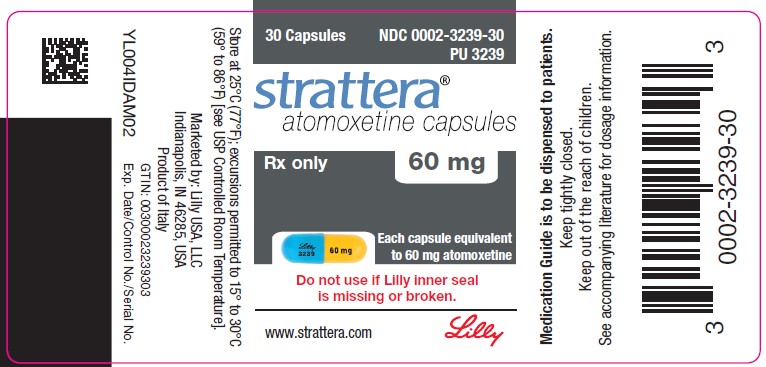
- 60 mg of atomoxetine (opaque blue, gold)
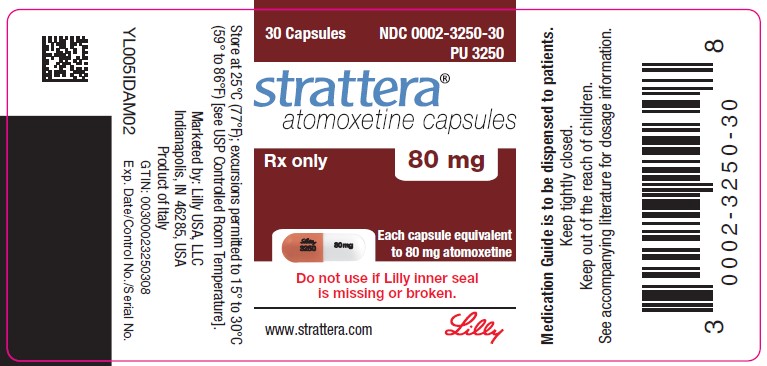
- 80 mg of atomoxetine (opaque brown, opaque white)
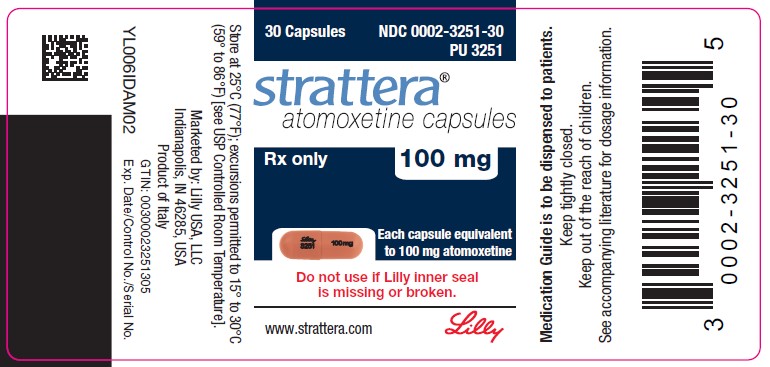
- 100 mg of atomoxetine (opaque brown, opaque brown)
4 CONTRAINDICATIONS
STRATTERA is contraindicated in patients:
- With known hypersensitivity reaction to atomoxetine or other constituents of STRATTERA. Hypersensitivity reactions included anaphylaxis, angioneurotic edema, urticaria, and rash [see Warnings and Precautions (5.8)].
- Taking, or within 14 days of stopping, a monoamine oxidase inhibitor (MAOI) [see Drug Interactions (7)].
- With narrow angle glaucoma. In clinical trials, STRATTERA use was associated with an increased risk of mydriasis.
- With pheochromocytoma or a history of pheochromocytoma. Serious reactions, including elevated blood pressure and tachyarrhythmia, have been reported in patients with pheochromocytoma or a history of pheochromocytoma who received STRATTERA.
- With severe cardiac or vascular disorders whose condition would be expected to deteriorate if they had a clinically important increase in blood pressure or heart rate (e.g., 15 to 20 mm Hg in blood pressure or 20 beats per minute in heart rate) [see Warnings and Precautions (5.4)].
5 WARNINGS AND PRECAUTIONS
5.1 Suicidal Thoughts and Behaviors in Pediatric Patients 6 Years of Age and Older
- All STRATTERA-treated pediatric patients should be monitored and observed closely for clinical worsening, suicidal thoughts and behavior, and unusual changes in behavior, especially during the initial few months of STRATTERA therapy, or at times of dosage changes, either increases or decreases.
- Families and caregivers of STRATTERA-treated pediatric patients should be alerted about the need to monitor patients daily for the emergence of agitation, irritability, unusual changes in behavior, and mental health-related symptoms, as well as the emergence of suicidal thoughts and behavior, and to report such symptoms immediately to a health care provider.
- Consider changing the therapeutic regimen, including stopping STRATTERA, in patients who experience emergent suicidality or symptoms that might be precursors to emerging suicidal thoughts and behavior, especially if these symptoms are severe or abrupt in onset, or were not part of the patient's presenting symptoms.
STRATTERA increased the risk of suicidal ideation in pediatric patients 6 years and older with ADHD in pooled placebo-controlled short-term studies (6 to 18 weeks). In 12 studies (11 studies in patients with ADHD and 1 study in another population) with over 2,200 pediatric patients, the mean incidence of suicidal ideation in STRATTERA-treated pediatric patients was 0.4% (5/1,357) (including one patient with a suicide attempt) compared to 0% (0/851) in placebo-treated pediatric patients. No suicides occurred in these studies. All the suicidal ideations occurred in pediatric patients 6 to 12 years of age, and all occurred during the first month of STRATTERA treatment. It is unknown whether the risk of suicidal ideation in pediatric patients extends to longer-term use. A similar analysis in adult patients treated with STRATTERA for ADHD did not reveal an increased risk of suicidal ideation or behavior.
The following psychiatric symptoms have been reported with STRATTERA: anxiety, agitation, panic attacks, insomnia, irritability, hostility, aggressiveness, impulsivity, akathisia (psychomotor restlessness), hypomania and mania. Although a causal link between the emergence of such symptoms and the emergence of suicidal impulses has not been established, there is a concern that such symptoms may represent precursors to emerging suicidality.
5.2 Severe Liver Injury
STRATTERA should be discontinued and not restarted in patients with jaundice or laboratory evidence of liver injury. Liver enzyme and function tests should be obtained upon the first symptom or sign of liver dysfunction (e.g., pruritus, dark urine, jaundice, right upper quadrant tenderness, or unexplained “flu like” symptoms).
Postmarketing reports indicate that STRATTERA can cause severe liver injury.
Although no evidence of liver injury was detected in clinical trials of about 6,000 patients, there have been rare cases of clinically significant liver injury that were considered probably or possibly related to STRATTERA use during postmarketing use:
- Rare cases of liver failure have been reported during postmarketing use, including a case that resulted in a liver transplant.
- Reported cases of liver injury occurred within 120 days of initiation of STRATTERA in most cases and some patients presented with markedly elevated liver enzymes (>20 times upper limit of normal (ULN)), and jaundice with significantly elevated bilirubin levels (>2 times ULN), followed by recovery upon STRATTERA discontinuation. In one patient, liver injury, manifested by elevated hepatic enzymes up to 40 times ULN and jaundice with bilirubin up to 12 times ULN, recurred upon rechallenge, and was followed by recovery upon STRATTERA discontinuation, providing evidence that STRATTERA likely caused the liver injury. Such reactions may occur several months after STRATTERA is started, but laboratory abnormalities may continue to worsen for several weeks after STRATTERA is stopped.
5.3 Serious Cardiovascular Reactions
Risk Management Recommendations for Serious Cardiovascular Reactions
Prior to STRATTERA treatment, adults or pediatric patients 6 years of age or older should have a careful history (including assessment for a family history of sudden death or ventricular arrhythmia) and physical exam to assess for the presence of cardiovascular disease, and should receive further cardiac evaluation if findings suggest such disease (e.g., electrocardiogram, echocardiogram).
- Although some serious heart problems alone carry an increased risk of sudden death, STRATTERA generally should not be used in pediatric patients with known serious structural cardiac abnormalities, cardiomyopathy, serious arrhythmias, or other serious cardiac problems.
- Consideration should be given to not treating adults with STRATTERA with clinically significant cardiac abnormalities.
Patients who develop symptoms such as exertional chest pain, unexplained syncope, or other symptoms suggestive of cardiac disease during STRATTERA treatment should stop STRATTERA and undergo a prompt cardiac evaluation.
Sudden Death and Pre-existing Structural Cardiac Abnormalities or Other Serious Heart Problems
Pediatric Patients 6 Years of Age and Older: Sudden death has been reported in association with STRATTERA treatment at the recommended dosage in pediatric patients 6 years of age and older with structural cardiac abnormalities or other serious heart problems.
Adults: Sudden deaths, stroke, and myocardial infarction have been reported in STRATTERA-treated adults at the recommended ADHD dosage. Although the role of STRATTERA in these adult cases is also unknown, adults have a greater likelihood than pediatric patients of having serious structural cardiac abnormalities, cardiomyopathy, serious arrhythmias, coronary artery disease, or other serious cardiac problems.
5.4 Increase in Blood Pressure and Heart Rate
STRATTERA is contraindicated in patients with severe cardiac or vascular disorders whose condition would be expected to deteriorate if they had a clinically important increase in blood pressure or heart rate. STRATTERA should be used with caution in any condition that may predispose patients to hypotension, or conditions associated with abrupt heart rate or blood pressure changes. STRATTERA should be used with caution in patients whose underlying medical conditions could be worsened by increases in blood pressure or heart rate such as certain patients with hypertension, tachycardia, or cardiovascular or cerebrovascular disease. Heart rate and blood pressure should be measured at baseline, following STRATTERA dosage increases, and periodically while on therapy to detect possible clinically important increases in heart rate and blood pressure.
In the pediatric and adult patients in short-term, placebo-controlled clinical studies of ADHD, there were a greater proportion of STRATTERA-treated patients, compared to placebo-treated patients, who had an increase in diastolic blood pressure (DBP) ≥15 mm Hg, systolic blood pressure (SBP) ≥20 mm Hg and heart rate ≥20 bpm [see Adverse Reactions (6.1)].
Increase in Blood Pressure and Heart Rate
- In placebo-controlled studies of pediatric patients 6 years of age and older with ADHD, tachycardia was identified as an adverse reaction in 0.3% (5/1,597) of STRATTERA-treated patients compared with 0% (0/934) of placebo-treated patients.
- In placebo-controlled adult ADHD studies, tachycardia was identified as an adverse reaction in 1.5% (8/540) of STRATTERA-treated patients compared with 0.5% (2/402) of placebo-treated patients.
- Orthostatic hypotension and syncope have been reported in STRATTERA-treated patients. In ADHD studies in pediatric patients 6 years of age and older, 0.2% (12/5,596) of STRATTERA-treated patients had orthostatic hypotension and 0.8% (46/5,596) had syncope. In short-term ADHD studies in pediatric patients 6 years of age and older, 1.8% (6/340) of STRATTERA- treated patients had orthostatic hypotension compared with 0.5% (1/207) of placebo-treated patients. Syncope was not reported during these studies.
Increase in Blood Pressure and Heart Rate in CYP2D6 Poor Metabolizers
- In placebo-controlled studies of pediatric patients 6 years of age and older with ADHD, the mean heart rate increase was 9.4 beats/minute in CYP2D6 poor metabolizers and was 5 beats/minute in other CYP2D6 metabolizer types (ultrarapid, normal, and intermediate).
- In adult clinical trials where CYP2D6 metabolizer status was available, the mean heart
rate increase in CYP2D6 poor metabolizers was significantly higher than in other CYP2D6
metabolizer types (11 beats/minute versus 7.5 beats/minute, respectively).
In adult clinical trials where CYP2D6 metabolizer status was available, the mean change from baseline in DBP in CYP2D6 poor metabolizers was higher than in other CYP2D6 metabolizer types (4.2 versus 2.1 mm Hg) as was the mean change from baseline in SBP (CYP2D6 poor metabolizers: 2.8 versus other CYP2D6 metabolizer types: 2.4 mm Hg).
5.5 New Psychotic or Manic Symptoms and Activation of Mania
If psychotic or manic symptoms occur, consider discontinuing STRATTERA.
Psychotic symptoms (e.g., hallucinations, delusional thinking) manic symptoms (e.g., mania) in patients without a prior history of psychotic illness or mania can be caused by STRATTERA at the recommended dosage.
5.6 Screening Patients for Bipolar Disorder
Before initiating treatment with STRATTERA, patients should be adequately screened for risk factors for bipolar disorder such as a personal or family history of mania and depression.
Patients with bipolar disorder or risk factors for bipolar disorder may be at increased risk of developing mania or mixed episodes during treatment with STRATTERA. It may not be possible to determine whether a manic or mixed episode that appears during treatment with STRATTERA is due to an adverse reaction to STRATTERA or a patient's underlying bipolar disorder.
5.7 Aggressive Behavior or Hostility
Patients beginning treatment with STRATTERA should be monitored for the appearance or worsening of aggressive behavior or hostility.
There is evidence that STRATTERA may cause the emergence or worsening of aggressive behavior or hostility. ADHD and other mental illnesses can be associated with irritability, which can make it difficult to determine if STRATTERA or the underlying psychiatric condition is causing the emergence or worsening of aggressive behavior or hostility in specific patients. If such symptoms occur during treatment, consider a possible causal role of STRATTERA.
5.8 Hypersensitivity Reactions
STRATTERA is contraindicated in patients with known hypersensitivity reaction to atomoxetine or other constituents of STRATTERA.
Although uncommon, hypersensitivity reactions, including anaphylaxis, angioneurotic edema, urticaria, and rash, have been reported in STRATTERA-treated patients.
5.9 Effects on Urine Outflow
A complaint of urinary retention or urinary hesitancy should be considered potentially related to STRATTERA.
In adult ADHD controlled studies, the incidence of urinary retention (1.7%, 9/540) and urinary hesitation (5.6%, 30/540) were increased among STRATTERA-treated patients compared with placebo-treated patients (0%, 0/402; 0.5%, 2/402, respectively). Two STRATTERA-treated adult patients and no placebo-treated patients discontinued from controlled clinical studies because of urinary retention.
5.10 Priapism
Prompt medical attention is required in the event of suspected priapism in STRATTERA-treated patients.
Rare postmarketing cases of priapism, defined as painful and nonpainful penile erection lasting more than 4 hours, have been reported for pediatric and adult patients treated with STRATTERA. The erections resolved in cases in which follow-up information was available, some following discontinuation of STRATTERA.
5.11 Effect on Growth in Pediatric Patients
Closely monitor growth (e.g., weight, height) in pediatric patients during STRATTERA treatment.
Weight and Height in Long-Term Open-Label Studies in Pediatric Patients
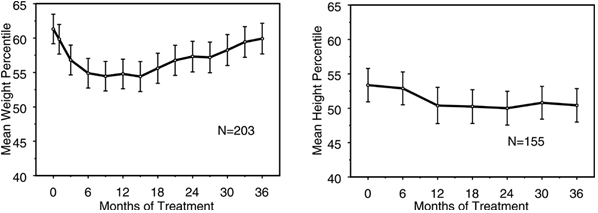
Data on the long-term effects of STRATTERA on growth in pediatric patients from open-label studies in which weight and height changes were compared to normative pediatric population data. In general, the weight and height gain of STRATTERA-treated pediatric patients lagged behind that predicted by normative population data for about the first 9-12 months of treatment and subsequently (see Figure 1 below):
- Weight gain rebounded. At about 3 years of STRATTERA treatment, patients gained a mean of 17.9 kg, which was 0.5 kg more than predicted by their baseline data.
- Height gain stabilized. At 3 years of STRATTERA treatment, patients gained a mean of 19.4 cm, which was 0.4 cm less than predicted by their baseline data
Figure 1: Mean Weight and Height Percentiles Over Time for STRATTERA -Treated Pediatric Patients in Comparison to Normative Pediatric Population Values
After three years of STRATTERA treatment in the long-term open-label studies, patients who were:
- Pre-pubertal at the start of treatment (girls ≤8 years old, boys ≤9 years old) gained weight and height; however, the mean weight gain was 2.1 kg less than predicted and the mean height gain was 1.2 cm less than predicted.
- Pubertal (girls >8 to ≤13 years old, boys >9 to ≤14 years old) or late pubertal (girls >13 years old, boys >14 years old), the mean weight and height gains were close to or exceeded predicted weight and height gains.
CYP2D6 poor metabolizers and other CYP2D6 metabolizer types (ultrarapid, normal, and intermediate) treated with STRATTERA for at least two years gained weight and height. However, in:
- CYP2D6 poor metabolizers the mean weight gain was 2.4 kg less than predicted and the mean height gain was 1.1 cm less than predicted
- Other CYP2D6 metabolizer types the mean weight gain was 0.2 kg less than predicted and the mean height gain was 0.4 cm less than predicted.
In the long-term open-label studies, the growth pattern was generally similar regardless of pubertal status at the time of
STRATTERA treatment initiation.
Weight and Height in Short-Term, Placebo-Controlled Studies in Pediatric Patients
In short-term, placebo-controlled studies (up to 9 weeks), STRATTERA-treated patients lost an average of 0.4 kg in weight and gained an average of 0.9 cm in height, compared to a gain of 1.5 kg in weight and 1.1 cm in height in the placebo-treated patients.
In a fixed-dose controlled trial, 1.3%, 7.1%, 19.3%, and 29.1% of patients in the placebo, 0.5, 1.2, and 1.8 mg/kg/day STRATTERA groups, respectively, lost at least 3.5% of their body weight.
6 ADVERSE REACTIONS
6.1 Clinical Trials Experience
Because clinical trials are conducted under widely varying conditions, adverse reaction rates observed in the clinical trials of a drug cannot be directly compared to rates in the clinical trials of another drug and may not reflect the rates observed in practice.
STRATTERA was administered to 5,382 pediatric patients 6 years of age and older in clinical ADHD studies (Studies 1, 2, 3, 4, and 5) [see Clinical Studies (14.1)] and 1,007 adults in clinical ADHD studies (Studies 6 and 7) [see Clinical Studies (14.2)]. In the ADHD clinical trials, 2,529 pediatric patients were treated for over 6 months which included 1,625 pediatric patients who were treated for longer than 1 year.
Adverse Reactions in the Clinical Trials of Pediatric Patients 6 Years of Age and Older with ADHD
Discontinuation of Treatment Due to Adverse Reactions in the Clinical Studies of Pediatric Patients 6 Years of Age and Older:
In the acute placebo-controlled studies of pediatric patients 6 years of age and older with ADHD, 3% (48/1,613) of STRATTERA-treated pediatric patients and 1.4% (13/945) of placebo-treated pediatric patients discontinued due to an adverse reaction. Among STRATTERA-treated patients, irritability (0.3%, N=5); somnolence (0.3%, N=5); aggression (0.2%, N=4); nausea (0.2%, N=4); vomiting (0.2%, N=4); abdominal pain (0.2%, N=4); constipation (0.1%, N=2); fatigue (0.1%, N=2); feeling abnormal (0.1%, N=2); and headache (0.1%, N=2) were the reasons for discontinuation reported by more than one patient.
For all studies, (including open-label and long-term studies), 6% of STRATTERA-treated pediatric patients who were other CYP2D6 metabolizer types (ultrarapid, normal, and intermediate) and 11% of those who were CYP2D6 poor metabolizers discontinued due to an adverse reaction.
Common Adverse Reactions in the Clinical Studies of Pediatric Patients 6 Years of Age and Older: Common adverse reactions (incidence of 2% or greater in STRATTERA-treated patients and with a higher incidence in STRATTERA-treated patients compared to placebo-treated patients) in pediatric patients 6 years of age and older with ADHD are listed in Table 2. The most commonly observed adverse reactions in STRATTERA-treated patients (incidence of ≥5% and ≥ twice the incidence in placebo-treated patients), for either twice daily or once daily dosing were: nausea, vomiting, fatigue, decreased appetite, abdominal pain, and somnolence (see Tables 2 and 3).
|
a Adverse reactions reported by at least 2% of STRATTERA-treated patients and greater than placebo-treated patients. |
||
|
b Abdominal pain includes the terms: upper abdominal pain, and epigastric discomfort. |
||
|
c Somnolence includes the term sedation. |
||
| Adverse Reaction | STRATTERA (N=1,597) |
Placebo (N=934) |
| Headache | 19% | 15% |
| Abdominal painb | 18% | 10% |
| Decreased appetite | 16% | 4% |
| Somnolencec | 11% | 4% |
| Vomiting | 11% | 6% |
| Nausea | 10% | 5% |
| Fatigue | 8% | 3% |
| Irritability | 6% | 3% |
| Dizziness | 5% | 2% |
| Decreased weight | 3% | 0% |
| Anorexia | 3% | 1% |
| Rash | 2% | 1% |
Adverse reaction in the STRATTERA-treated patients who received twice daily, and once daily dosing are shown in Table 3 (adverse reactions based on statistically significant Breslow-Day tests).
|
a Abdominal pain included the terms: upper abdominal pain, and epigastric discomfort. |
||||
|
b Mood swings didn't meet the statistical significance on Breslow-Day test at 0.05 level, but p-value was <0.1 (trend). |
||||
|
c Constipation didn't meet the statistical significance on Breslow-Day test but is included in the table because of pharmacologic plausibility. |
||||
| Adverse Reaction | ADHD Studies with Twice Daily Dosing | ADHD Studies with Once Daily Dosing | ||
| STRATTERA (N=715) |
Placebo (N=434) |
STRATTERA (N=882) |
Placebo (N=500) |
|
| Abdominal paina | 17% | 13% | 18% | 7% |
| Vomiting | 11% | 8% | 11% | 4% |
| Nausea | 7% | 6% | 13% | 4% |
| Fatigue | 6% | 4% | 9% | 2% |
| Mood swingsb | 2% | 0% | 1% | 1% |
| Constipationc | 2% | 1% | 1% | 0% |
Common Adverse Reactions by CYP2D6 Metabolizer Status in the Clinical Studies of Pediatric Patients 6 Years of Age and Older: Table 4 displays adverse reactions that occurred in at least 2% of STRATTERA-treated pediatric patients who were CYP2D6 poor metabolizers and were statistically significantly more frequent in CYP2D6 poor metabolizers compared with other CYP2D6 metabolizer types (ultrarapid, normal, and intermediate).
|
a Adverse reactions that occurred in at least 2% of STRATTERA-treated pediatric patients who were CYP2D6 poor metabolizers and were statistically significantly more frequent in poor metabolizers compared with other CYP2D6 metabolizer types (ultrarapid, normal, and intermediate). |
||
|
b Depression included the following terms: major depression, depressive symptoms, depressed mood, dysphoria. |
||
| Adverse Reaction | STRATTERA CYP2D6 Poor Metabolizers (N=355) |
STRATTERA Other CYP2D6 Metabolizer Types (N=5,019) |
| Insomnia | 11% | 6% |
| Decreased weight | 7% | 4% |
| Constipation | 7% | 4% |
| Depressionb | 7% | 4% |
| Tremor | 5% | 1% |
| Excoriation | 4% | 2% |
| Sedation | 4% | 2% |
| Middle insomnia | 3% | 1% |
| Conjunctivitis | 3% | 1% |
| Syncope | 3% | 1% |
| Early morning awakening | 2% | 1% |
| Mydriasis | 2% | 1% |
Less Common Adverse Reactions in the Clinical Studies of Pediatric Patients 6 Years of Age and Older: The following reactions did not meet this criterion but were reported by more STRATTERA-treated patients than placebo-treated patients and are possibly related to STRATTERA treatment: blood pressure increased, early morning awakening (terminal insomnia), flushing, mydriasis, sinus tachycardia, asthenia, palpitations, mood swings, constipation, and dyspepsia.
The following reactions were reported by at least 2% of patients treated with STRATTERA, and equal to or less than placebo: pharyngolaryngeal pain, insomnia (insomnia includes the terms, insomnia, initial insomnia, middle insomnia). The following reaction did not meet this criterion but shows a statistically significant dose relationship: pruritus.
Seizures in the Clinical Studies of Pediatric Patients 6 Years of Age and Older: STRATTERA has not been systematically evaluated in pediatric patients with seizure disorder as these patients were excluded from STRATTERA studies. In the clinical development program, seizures were reported in 0.2% (12/5,073) of STRATTERA-treated pediatric patients whose average age was 10 years old (range 6 to 16 years of age). In these clinical trials, the seizure incidence among CYP2D6 poor metabolizers was 0.3% (1/293) compared to 0.2% (11/4,741) for other CYP2D6 metabolizer types.
Heart Rate and Blood Pressure Increases in the Clinical Studies of Pediatric Patients 6 Years of Age and Older: Additional data from ADHD clinical trials (controlled and uncontrolled) has shown that approximately 5 to 10% of pediatric patients experienced potentially clinically important changes in heart rate (≥20 beats per minute) or blood pressure (≥15 to 20 mm Hg) [see Contraindications (4) and Warnings and Precautions (5.4)].
Adverse Reactions in the Clinical Trials of Adults with ADHD
Discontinuation of Treatment Due to Adverse Reactions in the Clinical Studies of Adults: In the acute adult placebo-controlled trials, 11.3% (61/541) STRATTERA-treated patients and 3% (12/405) placebo-treated patients discontinued for adverse reactions. Among STRATTERA-treated patients, insomnia (0.9%, N=5); nausea (0.9%, N=5); chest pain (0.6%, N=3); fatigue (0.6%, N=3); anxiety (0.4%, N=2); erectile dysfunction (0.4%, N=2); mood swings (0.4%, N=2); nervousness (0.4%, N=2); palpitations (0.4%, N=2); and urinary retention (0.4%, N=2) were the reasons for discontinuation reported by more than 1 patient.
Common Adverse Reactions in the Clinical Studies of Adults: Commonly observed adverse reactions associated with the use of STRATTERA (incidence of 2% or greater) and not observed at an equivalent incidence among placebo-treated patients (STRATTERA incidence greater than placebo) are listed in Table 5. The most commonly observed adverse reactions in patients treated with STRATTERA (incidence of 5% or greater and at least twice the incidence in placebo patients) were: constipation, dry mouth, nausea, decreased appetite, dizziness, erectile dysfunction, and urinary hesitation (see Table 5).
|
a Reactions reported by at least 2% of patients treated with STRATTERA, and greater than placebo. The following reactions did not meet this criterion but were reported by more STRATTERA-treated patients than placebo-treated patients and are possibly related to STRATTERAtreatment: peripheral coldness, tachycardia, prostatitis, testicular pain, orgasm abnormal, flatulence, asthenia, feeling cold, muscle spasm, dysgeusia, agitation, restlessness, micturition urgency, pollakiuria, pruritus, urticaria, flushing, tremor, menstruation irregular, rash, and urinary retention. |
||
|
b Insomnia includes the terms initial insomnia, middle insomnia, terminal insomnia and other related terms. |
||
|
c Based on total number of males (STRATTERA group, N=943; placebo group, N=869). |
||
|
d Somnolence includes related terms. |
||
|
e Abdominal pain includes the terms: upper abdominal pain and other related terms. |
||
|
f Urinary hesitation includes the term decreased urine flow. |
||
|
g Based on total number of females (STRATTERA, N=754; placebo, N=691). |
||
| Adverse Reaction | STRATTERA (N=1,697) | Placebo (N=1,560) |
| Nausea | 26% | 6% |
| Dry mouth | 20% | 5% |
| Decreased appetite | 16% | 3% |
| Insomniab | 15% | 8% |
| Fatigue | 10% | 6% |
| Erectile dysfunctionc | 8% | 1% |
| Constipation | 8% | 3% |
| Dizziness | 8% | 3% |
| Somnolenced | 8% | 5% |
| Abdominal paine | 7% | 4% |
| Urinary hesitationf | 6% | 1% |
| Irritability | 5% | 3% |
| Ejaculation delayedc and/or ejaculation disorderc | 4% | 1% |
| Hyperhidrosis | 4% | 1% |
| Dyspepsia | 4% | 2% |
| Vomiting | 4% | 2% |
| Abnormal dreams | 4% | 3% |
| Chills | 3% | 0% |
| Paraesthesia | 3% | 0% |
| Hot flush | 3% | 0% |
| Palpitations | 3% | 1% |
| Libido decreased | 3% | 1% |
| Sleep disorder | 3% | 1% |
| Dysmenorrheag | 3% | 2% |
| Dysuria | 2% | 0% |
| Thirst | 2% | 1% |
| Weight decreased | 2% | 1% |
| Feeling jittery | 2% | 1% |
Common Adverse Reactions by CYP2D6 Metabolizer Status in the Clinical Studies of Adults: Table 6 displays adverse reactions that occurred in at least 2% of STRATTERA-treated adult patients who were CYP2D6 poor metabolizers and were statistically significantly more frequent compared to other CYP2D6 metabolizer types (ultrarapid, normal, and intermediate).
|
a Adverse reactions that occurred in at least 2% of STRATTERA-treated adult patients who were CYP2D6 poor metabolizers and were statistically significantly more frequent in CYP2D6 poor metabolizers compared with other CYP2D6 metabolizer types (ultrarapid, normal, and intermediate). |
||
| Adverse Reaction | STRATTERA CYP2D6 Poor Metabolizers (N=203) |
STRATTERA Other CYP2D6 Metabolizer Types (N=3,599) |
| Dry mouth | 35% | 17% |
| Decreased appetite | 23% | 15% |
| Erectile dysfunction | 21% | 9% |
| Insomnia | 19% | 11% |
| Hyperhidrosis | 15% | 7% |
| Constipation | 11% | 7% |
| Sleep disorder | 7% | 3% |
| Urinary retention | 6% | 1% |
| Ejaculation disorder | 6% | 2% |
| Tremor | 5% | 1% |
| Feeling jittery | 5% | 2% |
| Middle insomnia | 5% | 3% |
| Blurred vision | 4% | 1% |
| Terminal insomnia | 3% | 1% |
| Peripheral coldness | 3% | 1% |
Less Common Adverse Reactions in the Clinical Studies of Adults: The following reactions did not meet this criterion but were reported by more STRATTERA-treated patients than placebo-treated patients and are possibly related to STRATTERA treatment: peripheral coldness, tachycardia, prostatitis, testicular pain, orgasm abnormal, flatulence, asthenia, feeling cold, muscle spasm, dysgeusia, agitation, restlessness, micturition urgency, pollakiuria, pruritus, urticaria, flushing, tremor, menstruation irregular, rash, and urinary retention.
Seizures in the Clinical Studies of Adults: STRATTERA has not been systematically evaluated in adult patients with a seizure disorder as these patients were excluded from clinical studies during the product's premarket testing. In the clinical development program, seizures were reported on 0.1% (1/748) of adult patients. In these clinical trials, no CYP2D6 poor metabolizers (0/43) reported seizures compared to 0.1% (1/705) for other CYP2D6 metabolizer types.
Heart Rate and Blood Pressure Increases in the Clinical Studies of Adults: Table 7 displays the proportion of STRATTERA-treated and placebo-treated patients who had an increase in diastolic blood pressure (DBP) ≥15 mm Hg, systolic blood pressure (SBP) ≥20 mm Hg, or heart rate ≥ 20 bpm in short-term, placebo-controlled clinical studies in pediatric and adult patients with ADHD [see Warnings and Precautions (5.4)].
|
a Abbreviations: bpm=beats per minute; DBP=diastolic blood pressure; HR=heart rate; mm Hg=millimeters mercury; SBP=systolic blood pressure. |
||||||||
|
b Proportion of patients meeting threshold at any one time during the clinical studies. |
||||||||
| Pediatric Acute ADHD Studies | Adult Acute ADHD Studies | |||||||
| Maximumb | Endpoint | Maximumb | Endpoint | |||||
| STRATTERA | Placebo | STRATTERA | Placebo | STRATTERA | Placebo | STRATTERA | Placebo | |
| DBP (≥15 mm Hg) | 22% | 14% | 9% | 5% | 13% | 9% | 5% | 4% |
| SBP (≥20 mm Hg) | 13% | 9% | 5% | 3% | 12% | 8% | 4% | 3% |
| HR (≥20 bpm) | 23% | 12% | 12% | 4% | 22% | 8% | 10% | 2% |
Additional data from ADHD clinical trials (controlled and uncontrolled) showed that approximately 5 to 10% of adult patients had potentially clinically important changes in heart rate (≥20 beats per minute) or blood pressure (≥15 to 20 mm Hg) [see Contraindications (4) and Warnings and Precautions (5.4)].
Male and Female Sexual Dysfunction in the Clinical Studies of Adults: STRATTERA impaired sexual function in some patients. Estimates of the incidence of untoward sexual experience and performance in these studies are likely to underestimate their actual incidence because patients and health care providers may be reluctant to discuss them. Table 5 displays the incidence of sexual adverse reactions (reported by at least 2% of STRATTERA-treated adult patients in the placebo-controlled studies of adults with ADHD (i.e., erectile dysfunction, dysmenorrhea, and ejaculation delayed and/or ejaculation disorder).
There are no adequate and well-controlled studies examining sexual dysfunction with STRATTERA treatment. While it is difficult to know the precise risk of sexual dysfunction associated with the use of STRATTERA, health care providers should routinely inquire about sexual dysfunction.
6.2 Postmarketing Experience
The following adverse reactions have been identified during post approval use of STRATTERA. Unless otherwise specified, these adverse reactions have occurred in adults and pediatric patients. Because these reactions are reported voluntarily from a population of uncertain size, it is not always possible to reliably estimate their frequency or establish a causal relationship to drug exposure.
- Cardiovascular system: QT prolongation, syncope.
- Peripheral vascular effects: Raynaud's phenomenon.
- General disorders and administration site conditions: Lethargy.
- Musculoskeletal system: Rhabdomyolysis.
- Nervous system disorders: Hypoaesthesia; paraesthesia in pediatric patients; sensory disturbances; tics.
- Psychiatric disorders: Depression and depressed mood; anxiety, libido changes.
- Seizures: Seizures have been reported and included patients with pre-existing seizure disorders, those with identified risk factors for seizures, and patients with neither a history of nor identified risk factors for seizures. The exact relationship between STRATTERA and seizures is difficult to evaluate due to uncertainty about the background risk of seizures in ADHD patients.
- Skin and subcutaneous tissue disorders: Alopecia, hyperhidrosis.
- Urogenital system: Male pelvic pain; urinary hesitation in pediatric patients; urinary retention in pediatric patients.
7 DRUG INTERACTIONS
See Table 8 for clinically significant drug interactions with STRATTERA and other drugs.
| Monoamine Oxidase Inhibitors (MAOIs) | |
| Prevention or Management | STRATTERA is contraindicated in patients taking MAOIs, including MAOIs such as linezolid or intravenous methylene blue, or in patients who stopped an MAOI within 14 days. |
| Mechanism and Clinical Effect(s) | As with other drugs affecting brain monoamine concentrations, there have been reports of serious, sometimes fatal reactions (hyperthermia, rigidity, myoclonus, autonomic instability with fluctuations of vital signs, extreme agitation progressing to delirium/coma) with concomitant use of STRATTERA and an MAOI. Some cases presented with features resembling neuroleptic malignant syndrome. |
| Strong CYP2D6 Inhibitors | |
| Prevention or Management | With concomitant use of STRATTERA and a strong CYP2D6 inhibitor, increase the titration interval [see Dosage and Administration (2.5) and Clinical Pharmacology (12.3)]. |
| Mechanism and Clinical Effect(s) | Atomoxetine is a CYP2D6 substrate. The concomitant use of STRATTERA and a strong CYP2D6 inhibitor increases atomoxetine exposure [see Clinical Pharmacology (12.3)]. |
| Antihypertensive Drugs | |
| Prevention or Management | Increase the frequency of monitoring blood pressure and adjust STRATTERA dosage as clinically appropriate. |
| Mechanism and Clinical Effect(s) | Because of increased risk of increased blood pressure, STRATTERA should be used cautiously with antihypertensive drugs, other drugs that increase blood pressure or pressor drugs (e.g., dopamine, dobutamine). |
| Albuterol or Other Beta2 Agonists | |
| Prevention or Management | Increase the frequency of monitoring blood pressure and heart rate and adjust STRATTERA dosage as clinically appropriate. |
| Mechanism and Clinical Effect(s) | Systemically administered albuterol (e.g., oral) can be potentiated by atomoxetine, resulting in increases in heart rate and blood pressure. [see Clinical Pharmacology (12.3)]. |
8 USE IN SPECIFIC POPULATIONS
8.1 Pregnancy
Pregnancy Exposure Registry
There is a pregnancy exposure registry that monitors pregnancy outcomes in women exposed to ADHD drugs, including STRATTERA, during pregnancy. Healthcare providers are encouraged to register patients by calling the National Pregnancy Registry for ADHD Medications at 1-866-961-2388 or visiting https://womensmentalhealth.org/adhd-medications/.
Risk Summary
Available published studies with STRATTERA use in pregnant women are insufficient to establish a drug-associated risk of major birth defects, miscarriage or adverse maternal or fetal outcomes.
Some animal reproduction studies of atomoxetine had adverse developmental outcomes. One of 3 studies in pregnant rabbits dosed during organogenesis resulted in decreased live fetuses and an increase in early resorptions, as well as slight increases in the incidences of atypical origin of carotid artery and absent subclavian artery. These effects were observed at plasma levels (AUC) 3 times and 0.4 times the human plasma levels in other CYP2D6 metabolizer types (ultrarapid, normal, and intermediate) and poor metabolizers receiving the maximum recommended human dose (MRHD), respectively. In rats dosed prior to mating and during organogenesis a decrease in fetal weight (female only) and an increase in the incidence of incomplete ossification of the vertebral arch in fetuses were observed at a dose approximately 5 times the MRHD on a mg/m2 basis. In one of 2 studies in which rats were dosed prior to mating through the periods of organogenesis and lactation, decreased pup weight and decreased pup survival were observed at doses corresponding to 5-6 times the MRHD on a mg/m2 basis. No adverse fetal effects were seen in pregnant rats dosed during the organogenesis period (see Data).
The estimated background risk of major birth defects and miscarriage for the indicated population is unknown. All pregnancies have a background risk of birth defect, loss, or other adverse outcomes. In the U.S. general population, the estimated background risk of major birth defects and miscarriage in clinically recognized pregnancies is 2-4% and 15-20%, respectively.
Data
Animal Data: Pregnant rabbits were treated with up to 100 mg/kg/day of atomoxetine by gavage throughout the period of organogenesis. At this dose, in 1 of 3 studies, a decrease in live fetuses and an increase in early resorptions was observed. Slight increases in the incidences of atypical origin of carotid artery and absent subclavian artery were observed. These findings were observed at doses that caused slight maternal toxicity. The no-effect dose for these findings was 30 mg/kg/day. The 100 mg/kg dose is approximately 23 times the MRHD on a mg/m2 basis; plasma levels (AUC) of atomoxetine at this dose in rabbits are estimated to be 3.3 times (other CYP2D6 metabolizer types) or 0.4 times (CYP2D6 poor metabolizers) those in humans receiving the MRHD.
Rats were treated with up to approximately 50 mg/kg/day of atomoxetine (approximately 6 times the MRHD on a mg/m2 basis) in the diet from 2 weeks (females) or 10 weeks (males) prior to mating through the periods of organogenesis and lactation. In 1 of 2 studies, decreases in pup weight and pup survival were observed. The decreased pup survival was also seen at 25 mg/kg (but not at 13 mg/kg). In a study in which rats were treated with atomoxetine in the diet from 2 weeks (females) or 10 weeks (males) prior to mating throughout the period of organogenesis, a decrease in fetal weight (female only) and an increase in the incidence of incomplete ossification of the vertebral arch in fetuses were observed at 40 mg/kg/day (approximately 5 times the MRHD on a mg/m2 basis) but not at 20 mg/kg/day.
No adverse fetal effects were seen when pregnant rats were treated with up to 150 mg/kg/day (approximately 17 times the MRHD on a mg/m2 basis) by gavage throughout the period of organogenesis.
8.2 Lactation
Risk Summary
There are no data on the presence of atomoxetine or its metabolite in human milk, the effects on the breastfed child, or the effects on milk production. Atomoxetine is present in animal milk. When a drug is present in animal milk, it is likely that the drug will be present in human milk.
The developmental and health benefits of breastfeeding should be considered along with the mother's clinical need for STRATTERA and any potential adverse effects on the breastfed child from STRATTERA or from the underlying maternal condition.
8.4 Pediatric Use
The safety and effectiveness of STRATTERA for the treatment of ADHD have been established in pediatric patients 6 years of age and older. Anyone considering the use of STRATTERA in a pediatric patient should balance the potential risks with the clinical need [see Boxed Warning and Warnings and Precautions (5.1, 5.3, 5.4, 5.10)].
The atomoxetine pharmacokinetics in pediatric patients 6 years of age and older were similar to those in adults.
The safety and effectiveness of STRATTERA in pediatric patients less than 6 years of age have not been established.
Juvenile Toxicity Animal Data
A study was conducted in young rats to evaluate the effects of atomoxetine on growth and neurobehavioral and sexual development. Rats were treated with 1, 10, or 50 mg/kg/day (approximately 0.2, 2, and 8 times, respectively, the maximum human dose on a mg/m2 basis) of atomoxetine given by gavage from the early postnatal period (Day 10 of age) through adulthood. Slight delays in onset of vaginal patency (all doses) and preputial separation (10 and 50 mg/kg), slight decreases in epididymal weight and sperm number (10 and 50 mg/kg), and a slight decrease in corpora lutea (50 mg/kg) were seen, but there were no effects on fertility or reproductive performance. A slight delay in onset of incisor eruption was seen at 50 mg/kg. A slight increase in motor activity was seen on Day 15 (males at 10 and 50 mg/kg and females at 50 mg/kg) and on Day 30 (females at 50 mg/kg) but not on Day 60 of age. There were no effects on learning and memory tests. The significance of these findings to humans is unknown.
8.5 Geriatric Use
The safety, efficacy and pharmacokinetics of STRATTERA in geriatric patients have not been evaluated. Clinical studies of STRATTERA did not include sufficient numbers of patients 65 years of age and older to determine whether they respond differently from younger adult patients.
8.6 Patients with Hepatic Impairment
Compared with patients with normal hepatic function atomoxetine exposure (AUC) was increased in patients with moderate (Child- Pugh Class B) (2-fold increase) and in patients with severe hepatic impairment (Child-Pugh Class C) (4-fold increase). The recommended dosage in patients with moderate or severe hepatic impairment is lower than in patients with normal hepatic function [see Dosage and Administration (2.4) and Clinical Pharmacology (12.3)].
8.7 Use in Genomic Subgroups
The recommended titration interval (before increasing the STRATTERA dosage) is longer in CYP2D6 poor metabolizers than other CYP2D6 metabolizer types (ultrarapid, normal, and intermediate) [see Dosage and Administration (2.5)].
Atomoxetine plasma concentrations were higher in CYP2D6 poor metabolizers which may increase the risk of STRATTERA-related adverse reactions. In pediatric and adult patients, the mean heart rate was higher in CYP2D6 poor metabolizers compared to other CYP2D6 metabolizer types. In adult patients, the mean change from baseline in diastolic and systolic blood pressure was higher in CYP2D6 poor metabolizers compared to other CYP2D6 metabolizer types [see Warnings and Precautions (5.4), Clinical Pharmacology (12.3, 12.5)].
The prevalence of CYP2D6 poor metabolizers is approximately 7% in White populations, 2% in Asian populations, and 2% in Black or African American populations.
9 DRUG ABUSE AND DEPENDENCE
9.2 Abuse
In a randomized, double-blind, placebo-controlled, abuse-potential study in adults that compared effects of STRATTERA and placebo, STRATTERA was not associated with stimulant or euphoriant properties. Clinical study data in over 2,000 adults and pediatric patients with ADHD and over 1,200 adults with depression (STRATTERA is not indicated for the treatment of depression) showed only isolated incidents of inappropriate STRATTERA self-administration.
Drug discrimination studies in rats and monkeys showed inconsistent stimulus generalization between atomoxetine and cocaine.
10 OVERDOSAGE
During postmarketing use, there have been fatalities reported involving a mixed ingestion overdose of STRATTERA and at least one other drug. There have been no reports of death involving overdose of STRATTERA alone, including intentional overdoses at amounts up to 1,400 mg (14 times the maximum recommended dosage). The most commonly reported symptoms with acute and chronic overdoses of STRATTERA were gastrointestinal symptoms, somnolence, dizziness, tremor, and abnormal behavior. Hyperactivity and agitation have also been reported. Signs and symptoms consistent with mild to moderate sympathetic nervous system activation (e.g., tachycardia, blood pressure increased, mydriasis, dry mouth) have also been observed. Most events were mild to moderate. In some cases of overdose involving STRATTERA, seizures have been reported. Less commonly, there have been reports of QT prolongation and mental changes, including disorientation and hallucinations [see Clinical Pharmacology (12.2)].
If an overdose occurs, consider contacting the Poison Help line (1-800-222-1222) or a medical toxicologist for additional overdose management recommendations. Because atomoxetine is highly protein-bound, dialysis is not likely to be useful in the treatment of STRATTERA overdose.
11 DESCRIPTION
Atomoxetine is a selective norepinephrine reuptake inhibitor. Atomoxetine hydrochloride is the R(-) isomer as determined by x-ray diffraction and its chemical designation is (-)-N-Methyl-3-phenyl-3-(o-tolyloxy)-propylamine hydrochloride and its molecular formula is C17H21NO•HCl, which corresponds to a molecular weight of 291.82. The chemical structure is:
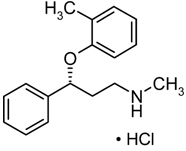
Atomoxetine hydrochloride is a white to practically white solid, which has a solubility of 27.8 mg/mL in water.
STRATTERA (atomoxetine) capsules are for oral administration only.
Each STRATTERA capsule contains 10 mg, 18 mg, 25 mg, 40 mg, 60 mg, 80 mg, or 100 mg of atomoxetine (equivalent to 11.4 mg, 20.6 mg, 28.6 mg, 45.7 mg, 68.6 mg, 91.4 mg and 114.3 mg of atomoxetine hydrochloride, respectively). The capsules also contain pregelatinized starch and dimethicone. The capsule shells contain gelatin, sodium lauryl sulfate, and one or more of the following inactive ingredients:
FD&C Blue No. 2, synthetic yellow iron oxide, titanium dioxide, red iron oxide. The capsules are imprinted with edible black ink.
12 CLINICAL PHARMACOLOGY
12.1 Mechanism of Action
The precise mechanism by which STRATTERA produces its therapeutic effects in ADHD is unknown, but is thought to be related to selective inhibition of the pre-synaptic norepinephrine transporter, as determined in ex vivo uptake and neurotransmitter depletion studies.
12.2 Pharmacodynamics
An exposure-response analysis of STRATTERA (0.5, 1.2 or 1.8 mg/kg/day) or placebo demonstrated atomoxetine exposure correlates with efficacy as measured by the ADHD Rating Scale-IV-Parent Version: Investigator administered and scored. The exposure-efficacy relationship was similar to that observed between STRATTERA dosage and efficacy with median atomoxetine exposures at the two highest doses resulting in near maximal changes from baseline [see Clinical Studies (14.2)].
Cardiac Electrophysiology
The effect of STRATTERA on QTc interval prolongation was evaluated in a randomized, double-blinded, positive-(moxifloxacin 400 mg) and placebo-controlled, cross-over study in healthy male CYP2D6 poor metabolizers. A total of 120 healthy subjects were administered STRATTERA (20 mg and 60 mg) twice daily for 7 days. No large changes in QTc interval (i.e., increases >60 msec from baseline, absolute QTc >480 msec) were observed in the study. However, small changes in QTc interval cannot be excluded from this study, because the study failed to demonstrate assay sensitivity. There was a slight increase in QTc interval with increased atomoxetine concentration.
Pharmacodynamic Drug Interaction Studies
- Consumption of ethanol with STRATTERA did not change the intoxicating effects of ethanol.
- Concomitant use of STRATTERA with methylphenidate did not increase cardiovascular effects beyond those seen with methylphenidate alone.
- Albuterol 600 mcg given intravenously over 2 hours (albuterol is not approved for intravenous use) induced heart rate and blood pressure increases; these effects were potentiated when co-administered with STRATTERA (60 mg twice daily for 5 days), particularly initially [see Drug Interactions (7)].
12.3 Pharmacokinetics
Pharmacokinetic parameters for atomoxetine and its metabolites in CYP2D6 poor metabolizers and other CYP2D6 metabolizer types (ultrarapid, normal, and intermediate) are presented in Table 9.
|
Abbreviations: Cmax,ss= maximum atomoxetine plasma concentration at steady state; Tmax = time to peak concentration |
||
|
a In this analysis, other CYP2D6 metabolizer types were defined as individuals who were not CYP2D6 poor metabolizers and included CYP2D6 ultrarapid, normal, and intermediate metabolizers. |
||
|
b CYP2D6 poor metabolizers were defined as individuals with two nonfunctional alleles (e.g., CYP2D6*3/*4, CYP2D6*5/*5), and as a result no CYP2D6 enzyme activity. |
||
|
c Primarily formed by CYP2D6.The major oxidative metabolite formed, regardless of CYP2D6 metabolizer type, and is further glucuronidated. 4-Hydroxyatomoxetine is equipotent to atomoxetine as an inhibitor of the norepinephrine transporter. |
||
|
d 4-hydroxyatomoxetine is formed at a slower rate by several other cytochrome P450 enzymes. |
||
|
e Formed by CYP2C19 and other cytochrome P450 enzymes but has substantially (20-fold) less pharmacological activity compared with atomoxetine. |
||
| Parameter | Other CYP2D6 Metabolizer Typesa | CYP2D6 Poor Metabolizersb |
| Absorption | ||
| Dose proportionality | 10-120 mg | |
| Accumulation | 1.1-fold | 3.3-fold |
| Absolute bioavailability | 63% | 94% |
| Tmax median | 1 hour | 2.5 hour |
| Effect of Food | AUC: Unchanged; Cmax: Decreased 37%; Tmax: Delayed 3 hours | |
| Distribution | ||
| Protein Binding | 98% | |
| Volume of distribution | 0.85 L/kg | |
| Elimination | ||
| Atomoxetine half-life | 5.2 hours | 21.6 hours |
| Atomoxetine apparent oral clearance | 0.35 L/hr/kg | 0.03 L/hr/kg |
| 4-Hydroxyatomoxetine half-life | 6 to 8 hours | -- |
| N-Desmethylatomoxetine half-life | 6 to 8 hours | 34 to 40 hours |
| Metabolism | ||
| Primary metabolic pathways | CYP2D6 | Other CYP enzymes |
| 4-Hydroxyatomoxetinec concentration | 1% of atomoxetine | 0.1% of atomoxetined |
| N-Desmethylatomoxetinee concentration | 5% of atomoxetine | 45% of atomoxetine |
| Excretion | ||
| Urine | Greater than 80% of the administered dose excreted as 4-hydroxyatomoxetine-O-glucuronide; Less than 3% as unchanged drug | |
| Feces | Less than 17% of the administered dose | |
Specific Populations
Hepatic Impairment: Atomoxetine exposure (AUC) was increased in subjects with moderate (Child-Pugh Class B) (2‑fold increase) and severe (Child-Pugh Class C) (4‑fold increase) hepatic impairment compared to subjects with normal hepatic function in other CYP2D6 metabolizer types (ultrarapid, normal, and intermediate) [see Dosage and Administration (2.4) and Use in Specific Populations (8.6)].
Renal Impairment: Patients with severe renal impairment (end stage renal disease requiring hemodialysis) had higher systemic atomoxetine exposure (about a 65% increase) than patients with normal renal function (CrCl ≥ 90 ml/minute) in other CYP2D6 metabolizer types (ultrarapid, normal, and intermediate), but there was no difference when exposure was corrected for mg/kg dose. Thus, the differences in exposure were not clinically significant.
Pediatric Patients: The pharmacokinetics of atomoxetine were evaluated in more than 400 pediatric patients in clinical studies, primarily using population pharmacokinetic modeling. Single-dose and steady-state individual pharmacokinetic data were also obtained in pediatric patients and adults. When STRATTERA doses were normalized to a mg/kg basis, similar half- life, Cmax, and AUC values were observed in pediatric patients and adults. Clearance and volume of distribution after adjustment for body weight were also similar.
Drug Interaction Studies
Clinical Studies:
Strong CYP2D6 Inhibitors: Concomitant use of STRATTERA (20 mg BID for 5 days) with paroxetine (20 mg QD for 17 days), a known inhibitor of CYP2D6, in subjects who were not CYP2D6 poor metabolizers resulted in a 6.5-fold higher plasma exposure (AUC) to atomoxetine at steady state.
Concomitant use of STRATTERA (at sequential dosing of 10, 45, and 75 mg BID for up to 5 days of each dosage) with fluoxetine (20 mg QD for 36 days) a known inhibitor of CYP2D6, in subjects who were not CYP2D6 poor metabolizers resulted in 6- to 8-fold increases of plasma atomoxetine exposure (AUC) at steady state compared to taking STRATTERA alone.
After concomitant use of STRATTERA with paroxetine or fluoxetine, the Css, max of atomoxetine was about 3-to 4-fold greater than the use of STRATTERA alone [see Drug Interactions (7)].
CYP3A Substrates: Concomitant use of STRATTERA (60 mg twice daily for 12 days) with midazolam (CYP3A substrate) (single dose of 5 mg), resulted in 15% increase in the midazolam AUC. This pharmacokinetic change is not clinically significant.
In Vitro Studies:
Drugs Highly Bound to Plasma Protein: In vitro drug-displacement studies were conducted with atomoxetine and other drugs highly bound to plasma protein at therapeutic atomoxetine concentrations. Atomoxetine did not affect the binding of warfarin, acetylsalicylic acid, phenytoin, or diazepam to human albumin. Similarly, warfarin, acetylsalicylic acid, phenytoin, or diazepam did not affect the binding of atomoxetine to human albumin.
12.5 Pharmacogenomics
Atomoxetine is metabolized by CYP2D6 [see Clinical Pharmacology (12.3)]. The gene encoding CYP2D6 has variants that affect CYP2D6 metabolic function. CYP2D6 poor metabolizers are individuals with two nonfunctional alleles (e.g., CYP2D6*5/*5), and as a result have no CYP2D6 enzyme activity.
Atomoxetine AUC was approximately 10-fold higher and atomoxetine Css, max was approximately 5-fold higher in CYP2D6 poor metabolizers compared to other CYP2D6 metabolizer types [see Dosage and Administration (2.5), Warnings and Precautions (5.4), Use in Specific Populations (8.7), and Clinical Pharmacology (12.3)]. In this analysis, other CYP2D6 metabolizer types were defined as individuals who were not CYP2D6 poor metabolizers and included CYP2D6 ultrarapid, normal, and intermediate metabolizers (e.g., CYP2D6*1/*2xN, CYP2D6*1/*1, CYP2D6*1/*5, respectively).
13 NONCLINICAL TOXICOLOGY
13.1 Carcinogenesis, Mutagenesis, Impairment of Fertility
Carcinogenesis — Atomoxetine HCl was not carcinogenic in rats and mice when given in the diet for 2 years at time-weighted average doses up to 47 and 458 mg/kg/day, respectively. The highest dose used in rats is approximately 8 and 5 times the maximum recommended human dose (MRHD) in children and adults, respectively, on a mg/m2 basis.
Plasma levels (AUC) of atomoxetine at this dose in rats are estimated to be 1.8 times (other CYP2D6 metabolizer types) or 0.2 times (CYP2D6 poor metabolizers) those in humans receiving the maximum human dose. The highest dose used in mice is approximately 39 and 26 times the MRHD in children and adults, respectively, on a mg/m2 basis.
Mutagenesis — Atomoxetine HCl was negative in a battery of genotoxicity studies that included a reverse point mutation assay (Ames Test), an in vitro mouse lymphoma assay, a chromosomal aberration test in Chinese hamster ovary cells, an unscheduled DNA synthesis test in rat hepatocytes, and an in vivo micronucleus test in mice. However, there was a slight increase in the percentage of Chinese hamster ovary cells with diplochromosomes, suggesting endoreduplication (numerical aberration).
The metabolite N-desmethylatomoxetine HCl was negative in the Ames Test, mouse lymphoma assay, and unscheduled DNA synthesis test.
14 CLINICAL STUDIES
14.1 ADHD Studies in Pediatric Patients 6 Years of Age and Older
Acute Studies in Pediatric Patients 6 Years of Age and Older with ADHD:
The effectiveness of STRATTERA in the treatment of ADHD was established in four randomized, double-blind, placebo-controlled studies of pediatric patients 6 to 18 years of age (Studies 1, 2, 3, and 4). In these studies, approximately one-third of the patients met DSM-IV criteria for inattentive subtype and two-thirds met criteria for both inattentive and hyperactive/impulsive subtypes.
In these studies, signs and symptoms of ADHD were evaluated with the investigator administered and scored ADHD Rating Scale-IV-Parent Version (ADHDRS) total score including hyperactive/impulsive and inattentive subscales by comparing the mean change from baseline to endpoint in the STRATTERA and placebo groups using an intent-to-treat (ITT) analysis (the primary endpoint). Each item on the ADHDRS maps directly to one symptom criterion for ADHD in the DSM-IV.
In Study 1, an 8-week randomized, double-blind, placebo-controlled, dose-response, acute treatment study, pediatric patients 8 to 18 years of age (N=297) received either a fixed dosage of STRATTERA (0.25, 0.6, or 0.9 mg/kg twice daily (in the early morning and late afternoon/early evening) or placebo. Improvements in ADHD symptoms were statistically significantly superior in patients treated with either of the two higher STRATTERA dosages compared with patients treated with placebo as measured on the ADHDRS scale. The 0.9 mg/kg twice daily STRATTERA dosage did not provide any additional benefit over that observed with the 0.6 mg/kg twice daily STRATTERA dosage. The 0.25 mg/kg twice daily STRATTERA dosage group was not superior to the placebo group.
In Study 2, a 6-week randomized, double-blind, placebo-controlled, acute treatment study, pediatric patients 6 to 16 years of age (N=171) received either STRATTERA or placebo. STRATTERA was administered as a once daily dose in the early morning and titrated on a weight-adjusted basis according to clinical response, up to a maximum dosage of 1.5 mg/kg once daily. The mean final dosage of STRATTERA was approximately 1.3 mg/kg once daily. ADHD symptoms were statistically significantly improved in the STRATTERA group compared to the placebo group, as measured on the ADHDRS scale. Study 2 showed that STRATTERA was effective when administered once daily in the morning.
In two identically designed, 9-week, acute, double-blind, placebo-controlled studies, pediatric patients 7 to 13 years of age (Study 3, N=147; Study 4, N=144) were randomized to receive STRATTERA, methylphenidate, or placebo. In Studies 3 and 4, STRATTERA was administered twice daily (in the early morning and late afternoon, after school) and titrated on a weight-adjusted basis according to clinical response up to the maximum recommended STRATTERA dosage of 1 mg/kg twice daily. The mean final dosage of STRATTERA in Studies 3 and 4 was approximately 0.8 mg/kg twice daily. In Studies 3 and 4, ADHD symptoms statistically significantly improved more in the STRATTERA group than the placebo group, as measured on the ADHDRS scale.
Examination of population subsets based on sex and age (<12 and 12 to 17 years of age) in these studies did not reveal any differences in response. There were not sufficient numbers of patients in racial or ethnic groups to determine if there were differences in responses in these subgroups.
Maintenance Study in Pediatric Patients 6 Years of Age and Older with ADHD
The effectiveness of STRATTERA in the maintenance treatment of ADHD in pediatric patients 6 years of age and older was established in an outpatient randomized withdrawal study of pediatric patients 6-15 years of age (Study 5). In this study, patients who met DSM-IV criteria for ADHD, and showed continuous response for about 4 weeks during an initial 10-week open-label treatment phase with STRATTERA (1.2 to 1.8 mg/kg/day) were randomized to continue of their current STRATTERA dosage (N=292) or to placebo (N=124) under double-blind treatment for observation of relapse (first double-blind phase). Response during the open-label phase was defined as CGI-ADHD-S score ≤2 and a reduction of at least 25% from baseline in ADHDRS-IV-Parent: Investigator total score.
Patients who were assigned to STRATTERA during the first double-blind phase who showed continuous response for approximately 8 months during the first double-blind treatment phase were again randomized to continue their current STRATTERA dosage (N=81) or placebo (N=82) under double-blind treatment for observation of relapse (second double-blind phase). Relapse during each of the double-blind phases was defined as CGI-ADHD-S score increases of at least 2 from the end of open-label phase and ADHDRS-IV-Parent: Investigator total score returns to ≥90% of study entry score for 2 consecutive visits.
In both double-blind phases, patients who received STRATTERA treatment experienced significantly longer times to relapse than those who received placebo.
14.2 ADHD Studies in Adults
The effectiveness of STRATTERA in the treatment of ADHD in adults was established in two 10-week, randomized, double-blind, placebo-controlled clinical studies of adult patients 18 years of age and older, who met DSM-IV criteria for ADHD (Study 6, N=280; Study 7, N=256).
In Studies 6 and 7, signs and symptoms of ADHD were evaluated using the 30-item investigator-administered Conners Adult ADHD Rating Scale Screening Version (CAARS). In these studies, the primary efficacy endpoint was the mean change from baseline to endpoint (using an ITT analysis) in the 18-item Total ADHD Symptom score (the sum of the inattentive and hyperactivity/impulsivity subscales from the CAARS).
In Studies 6 and 7, patients received either STRATTERA or placebo. Patients in the STRATTERA group received 30 mg to 60 mg twice a day (in the early morning and late afternoon/early evening) of STRATTERA which was titrated according to clinical response. The mean final STRATTERA dosage in these studies was approximately 48 mg twice daily. In both studies, ADHD symptoms were statistically significantly improved in the STRATTERA group compared to the placebo group, as measured on the ADHD Symptom score from the CAARS scale.
In Studies 6, and 7, examination of population subsets based on sex and age (<42 and ≥42 years of age) did not reveal any differences in response. There was not sufficient number of patients in racial and ethnic groups to determine if there were differences in responses among these subgroups.
14.3 Safety Studies in ADHD Patients with Tourette's Disorder or Chronic Motor Tic Disorder OR Anxiety Disorder
Tics in Patients with ADHD and Tourette's Disorder or Chronic Motor Tic Disorder
In a randomized, double-blind, placebo-controlled 18-week trial in 148 pediatric patients 7 to 17 years old with a DSM-IV diagnosis of ADHD and concurrent Tourette syndrome or chronic motor tic disorder, STRATTERA affect on tic severity was assessed. Patients in the STRATTERA group received a flexible dosage range of 0.5 to 1.5 mg/kg/day (mean dose of 1.3 mg/kg/day). In this study, 80% (n=116) of patients had Tourette's Disorder and 20% (n=29) of patients had chronic motor tic disorder. A non-inferiority analysis revealed that STRATTERA did not worsen tics in these patients as determined by the Yale Global Tic Severity Scale Total Score (YGTSS). Out of 148 patients who entered the acute treatment phase, 103 (70%) patients discontinued the study. The primary reason for discontinuation in both the STRATTERA group (50% (38/76) and placebo group (63% (45/72) was identified lack of ADHD efficacy with most of the patients discontinuing at Week 12. There have been postmarketing reports of tics in STRATTERA-treated patients [see Adverse Reactions (6.2)].
Anxiety in Pediatric Patients with ADHD and Anxiety Disorders
Two post-marketing, double-blind, placebo-controlled trials demonstrated that treating patients with ADHD and comorbid anxiety disorders with STRATTERA does not worsen their anxiety.
In a 12-week double-blind, placebo-controlled trial, 176 pediatric patients 8-17 years of age, who met DSM-IV criteria for ADHD and at least one of the anxiety disorders of separation anxiety disorder, generalized anxiety disorder or social phobia were randomized to receive STRATTERA or placebo. In the STRATTERA group, following a 2-week double-blind placebo lead-in, STRATTERA was initiated at 0.8 mg/kg/day with increase to a target dose of 1.2 mg/kg/day (median dose 1.3 mg/kg/day +/- 0.29 mg/kg/day). STRATTERA did not worsen anxiety in these patients as determined by the Pediatric Anxiety Rating Scale (PARS). Of the 158 patients who completed the double-blind placebo lead-in, 26 (16%) patients discontinued the study.
In a separate 16-week, double-blind, placebo-controlled trial, 442 patients aged 18-65, who met DSM-IV criteria for adult ADHD and social anxiety disorder (23% of whom also had Generalized Anxiety Disorder) were randomized to receive STRATTERA or placebo. In the STRATTERA group, following a 2-week double-blind placebo lead-in, STRATTERA was initiated at 40 mg/day to a maximum dosage of 100 mg/day (mean daily dose 83 mg/day +/- 19.5 mg/day). STRATTERA did not worsen anxiety in these patients as determined by the Liebowitz Social Anxiety Scale (LSAS). Of the 413 patients who completed the double-blind placebo lead-in, 36% (n=149) patients discontinued the study. There have been postmarketing reports of anxiety [see Adverse Reactions (6.2)].
16 HOW SUPPLIED/STORAGE AND HANDLING
16.1 How Supplied
Table 10 displays the available STRATTERA (atomoxetine) capsules strengths.
|
a Strength is based on the base (atomoxetine). |
|||
| Strengtha | Color | Identification | NDC |
| 10 mg | opaque white, opaque white | LILLY 3227 | 0002-3227-30 |
| 18 mg | gold, opaque white | LILLY 3238 | 0002-3238-30 |
| 25 mg | opaque blue, opaque white | LILLY 3228 | 0002-3228-30 |
| 40 mg | opaque blue, opaque blue | LILLY 3229 | 0002-3229-30 |
| 60 mg | opaque blue, gold | LILLY 3239 | 0002-3239-30 |
| 80 mg | opaque brown, opaque white | LILLY 3250 | 0002-3250-30 |
| 100 mg | opaque brown, opaque brown | LILLY 3251 | 0002-3251-30 |
17 PATIENT COUNSELING INFORMATION
Advise the patient to read the FDA-approved patient labeling (Medication Guide).
Suicide Risk
Patients, their families, and their caregivers should be alerted about the need to monitor patients daily for the emergence of anxiety, agitation, panic attacks, insomnia, irritability, hostility, aggressiveness, impulsivity, akathisia (psychomotor restlessness), hypomania, mania, other unusual changes in behavior, depression, and suicidal ideation, especially early during STRATTERA treatment and when the dosage is adjusted. Such symptoms should be reported to the patient's health care provider immediately [see Warnings and Precautions (5.1)].
Severe Liver Injury
Patients initiating STRATTERA should be cautioned that severe liver injury may develop. Patients should be instructed to contact their healthcare provider immediately should they develop pruritus, dark urine, jaundice, right upper quadrant tenderness, or unexplained “flu-like” symptoms [see Warnings and Precautions (5.2)].
Serious Cardiovascular Reactions
Patients who develop symptoms such as exertional chest pain, unexplained syncope, or other symptoms suggestive of cardiac disease during STRATTERA treatment should stop STRATTERA and contact a health care provider [see Warnings and Precautions (5.3)].
Increased Blood Pressure or Heart Rate
STRATTERA can increase blood pressure and heart rate [see Warnings and Precautions (5.4)].
Emergence of New Psychotic or Manic Symptoms and Activation of Mania
Instruct patients and their caregivers to look for signs of activation of mania/hypomania and psychosis [see Warnings and Precautions (5.5)].
Aggression or Hostility
Instruct patients and their caregivers to contact their healthcare provider as soon as possible should they notice an increase in aggression or hostility [see Warnings and Precautions (5.7)].
Priapism
The parents or guardians of pediatric patients taking STRATTERA and adult patients taking STRATTERA should be instructed that priapism requires prompt medical attention [see Warnings and Precautions (5.10)].
Ocular Irritant
STRATTERA is an ocular irritant. STRATTERA capsules are not intended to be opened. In the event of capsule content coming in contact with the eye, the affected eye should be flushed immediately with water, and medical advice obtained. Hands and any potentially contaminated surfaces should be washed as soon as possible.
Drug-Drug Interactions
Patients should be instructed to consult a healthcare provider if they are taking or plan to take any prescription or over-the-counter drugs, dietary supplements, or herbal remedies [see Drug Interactions (7)].
Sexual Dysfunction
Advise patients that STRATTERA may impair sexual function. Advise patients if they experience sexual dysfunction, they should contact their health care provider [see Adverse Reactions (6.1)].
Pregnancy Registry
Advise patients that there is a pregnancy registry that monitors pregnancy outcomes in women exposed to atomoxetine during pregnancy [see Use in Specific Populations (8.1)].
Missed Dose
If patients miss a dose, they should be instructed to take it as soon as possible but should not take more than the prescribed total daily amount of STRATTERA in any 24-hour period.
Somnolence
The incidence of somnolence was higher in STRATTERA-treated patients than placebo-treated patients [see Adverse Reactions (6.1)]. Patients should be instructed to use caution when driving a car or operating hazardous machinery until they are reasonably certain that their performance is not affected by STRATTERA.
Marketed by: Lilly USA, LLC, Indianapolis, IN 46285, USA
Copyright © 2002, 2026, Eli Lilly and Company. All rights reserved.
STR-0006-USPI-20260629
|
This Medication Guide has been approved by the U.S. Food and Drug Administration. |
Revised: 04/2026 |
|||||||||
|
STR-0002-MG-20260629 |
||||||||||
| MEDICATION GUIDE STRATTERA® (Stra-TAIR-a) (atomoxetine) capsules for oral use |
||||||||||
|
What is the most important information I should know about STRATTERA?
|
||||||||||
| See “What are the possible side effects of STRATTERA?” for more information about side effects. | ||||||||||
| What is STRATTERA? STRATTERA is a prescription medicine used to treat ADHD in adults and children 6 years of age and older. STRATTERA may help increase attention and decrease impulsiveness and hyperactivity in people with ADHD. STRATTERA should be used as a part of a total treatment program for ADHD that may include counseling or other therapies. It is not known if STRATTERA is safe and effective in children less than 6 years old. |
||||||||||
| Who should not take STRATTERA? Do not take STRATTERA if you or your child:
|
||||||||||
Before taking STRATTERA, tell your healthcare provider about all medical conditions,
including if you or your child:
|
||||||||||
| Tell your healthcare provider about all the medicines that you or your child take,
including prescription and over-the-counter medicines, vitamins, and herbal supplements. STRATTERA and some medicines may interact with each other and cause serious side
effects. Your healthcare provider will decide whether STRATTERA can be taken with
other medicines. Especially tell your healthcare provider if you or your child take:
|
||||||||||
| Know the medicines you or your child take. Keep a list of your medicines to show your healthcare provider and pharmacist. Do not start any new medicines during treatment with STRATTERA without talking to your healthcare provider first. | ||||||||||
How should I take STRATTERA?
|
||||||||||
What should I avoid while taking STRATTERA?
|
||||||||||
|
What are possible side effects of STRATTERA?
|
||||||||||
| The most common side effects of STRATTERA in children include: | ||||||||||
|
|
|||||||||
| The most common side effects of STRATTERA in adults include: | ||||||||||
|
|
|||||||||
| STRATTERA may cause sexual problems (dysfunction). Talk to your healthcare provider if any of the following symptoms develop: | ||||||||||
Symptoms in males may include:
|
Symptoms in females may include:
|
|||||||||
| Your healthcare provider may stop STRATTERA treatment if serious side effects develop
during treatment. These are not all of the possible side effects STRATTERA. Call your doctor for medical advice about side effects. You may report side effects to FDA at 1-800-FDA-1088. |
||||||||||
How should I store STRATTERA?
|
||||||||||
| General information about safe and effective use of STRATTERA. Medicines are sometimes prescribed for purposes other than those listed in a Medication Guide. Do not use STRATTERA for a condition for which it was not prescribed. Do not give STRATTERA to other people, even if they have the same condition. It may harm them. You can ask your pharmacist or healthcare provider for information about STRATTERA that is written for health professionals. |
||||||||||
| What are the ingredients in STRATTERA? Active ingredient: atomoxetine hydrochloride. Inactive ingredients: Capsules contain pregelatinized starch and dimethicone. Capsule shells contain gelatin, sodium lauryl sulfate, and 1 or more of the following inactive ingredients: FD&C Blue No. 2, synthetic yellow iron oxide, titanium dioxide, and red iron oxide. Capsules are imprinted with edible black ink. Marketed by: Lilly USA, LLC Indianapolis, IN 46285, USA Copyright © 2003, 2026, Eli Lilly and Company. All rights reserved. For more information about Strattera, go to www.strattera.com or call 1-800-545-5979. |
||||||||||
PACKAGE LABEL - STRATTERA 10 mg bottle of 30
30 Capsules
NDC 0002-3227-30
PU 3227
strattera®
atomoxetine capsules
Rx only
10 mg
Each capsule equivalent to 10 mg atomoxetine
Do not use if Lilly inner seal is missing or broken.
www.strattera.com
Lilly
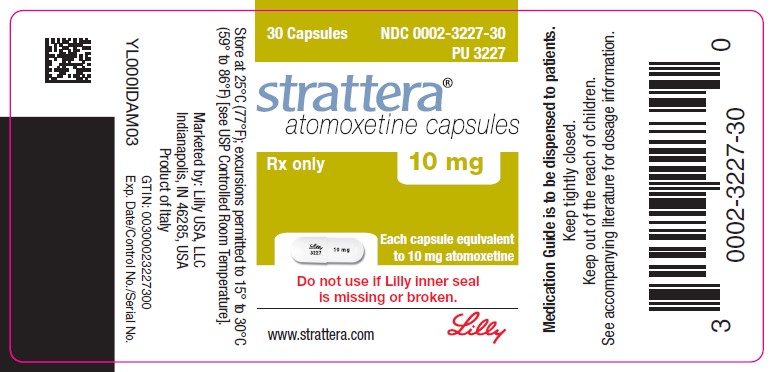
PACKAGE LABEL - STRATTERA 18 mg bottle of 30
30 Capsules
NDC 0002-3238-30
PU 3238
strattera®
atomoxetine capsules
Rx only
18 mg
Each capsule equivalent to 18 mg atomoxetine
Do not use if Lilly inner seal is missing or broken.
www.strattera.com
Lilly
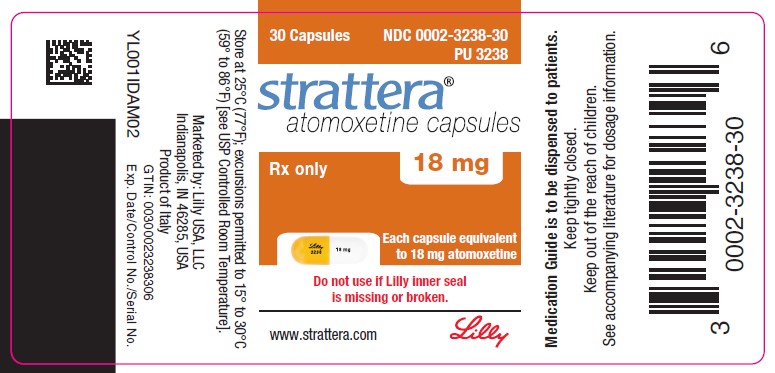
PACKAGE LABEL - STRATTERA 25 mg bottle of 30
30 Capsules
NDC 0002-3228-30
PU 3228
strattera®
atomoxetine capsules
Rx only
25 mg
Each capsule equivalent to 25 mg atomoxetine
Do not use if Lilly inner seal is missing or broken.
www.strattera.com
Lilly
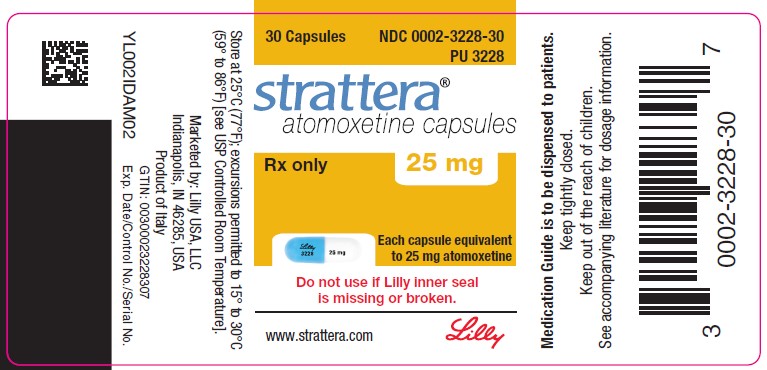
PACKAGE LABEL - STRATTERA 40 mg bottle of 30
30 Capsules
NDC 0002-3229-30
PU 3229
strattera®
atomoxetine capsules
Rx only
40 mg
Each capsule equivalent to 40 mg atomoxetine
Do not use if Lilly inner seal is missing or broken.
www.strattera.com
Lilly
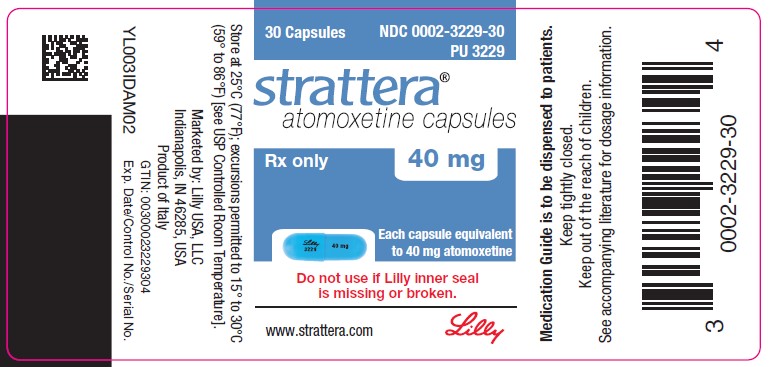
PACKAGE LABEL - STRATTERA 60 mg bottle of 30
30 Capsules
NDC 0002-3239-30
PU 3239
strattera®
atomoxetine capsules
Rx only
60 mg
Each capsule equivalent to 60 mg atomoxetine
Do not use if Lilly inner seal is missing or broken.
www.strattera.com
Lilly